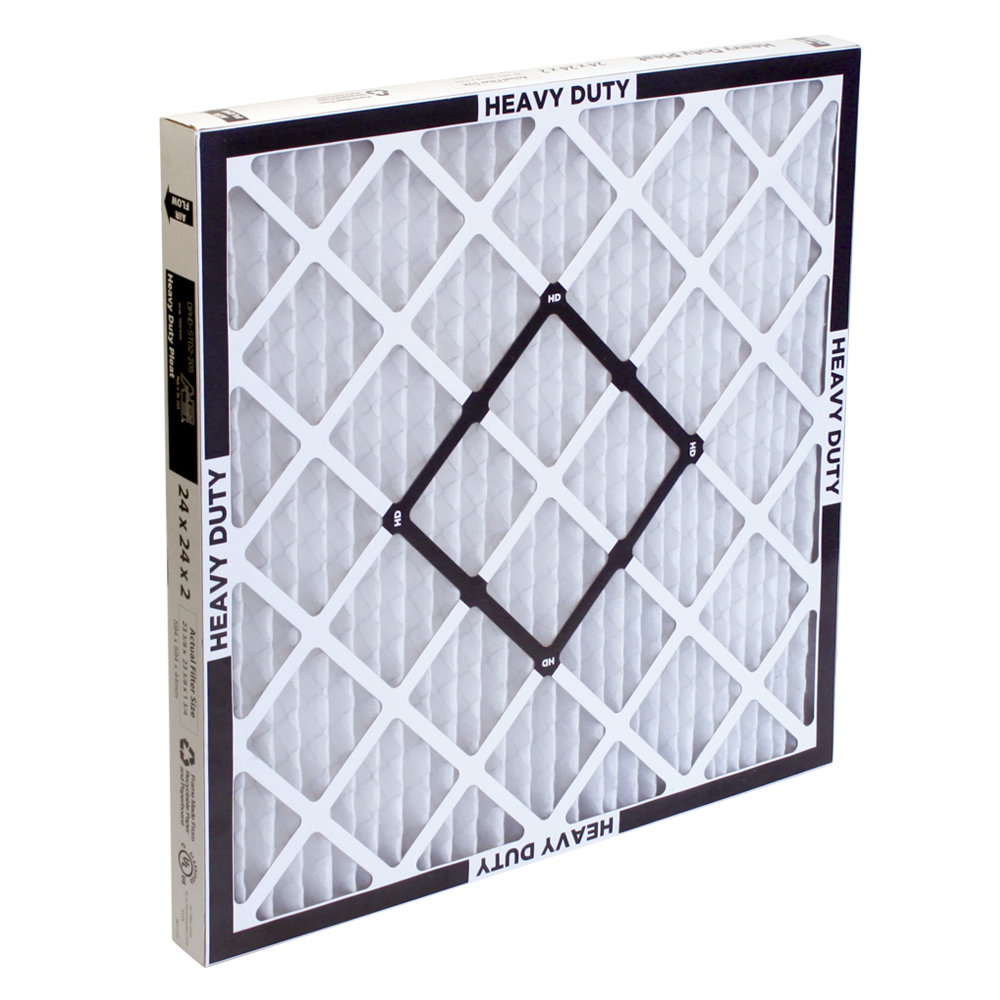
High-durability Airguard DPHD prefilters doubled filter life and eliminated collapse across hospital air handling units, protecting downstream HEPA filters and ensuring critical healthcare air quality
Direct ROI
Filter Savings
Significant savings from doubled filter life and protection of expensive downstream final filters
Labor Savings
Reduced changeout frequency — filters lasted twice as long per cycle
Waste Reduction
~50% reduction in filter disposal volume
Operational Excellence
Quality
Eliminated particle bypass from collapsed prefilters — critical for maintaining healthcare air quality standards
Downtime
Eliminated emergency filter replacements caused by collapse events
Safety
Critical patient and worker safety improvement — proper filtration in healthcare prevents airborne contamination and infection risk
Soft Savings
Healthcare facilities face enormous liability from inadequate air filtration; value of proper filtration far exceeds filter costs
Facility Efficiency
Equip Life
Downstream HEPA final filters protected from premature loading caused by prefilter bypass
High-durability HEPA prefilters double filter life and protect patient safety by eliminating collapse-driven air quality failures across hospital air handling units — cutting medical waste while safeguarding care
Sustainability
Doubled filter life reduces filter consumption and medical waste generation in healthcare settings
Waste
~50% reduction in filter disposal — important in healthcare where filters may be classified as regulated medical waste
Healthcare Air QualityPatient SafetyMedical Waste ReductionFilter Life Extension
A major hospital in the Saint Paul, Minnesota area contacted TFS about a significant filter failure issue they were experiencing with several of their air handling units. The volume of air being moved was greater than the bank of air filters in place could accommodate, causing their standard commercial pre-filters to collapse and allow bypass to the final filters and reduce their life expectancy.
Challenge
The customer was struggling to keep a consistent schedule for changing their pre filters, as they would replace them when they had already collapsed instead of when it was appropriate to keep the unit performing efficiently.
Pre-filters exist to capture larger particles and protect more efficient and costly final filters. When they collapse and allow bypass of larger particulates, more efficient and expensive final filters can become clogged faster than normal. This often results in HVAC units using more energy to maintain consistent airflow and temperature in critical areas of the facility, such as the operating room.
The TFS Solution
After discussing the filtration concerns with facility management, TFS field experts surveyed one of the customer's air handling units and observed a clean bank of standard commercial pleated filters collapse under the typical airflow in the unit.
TFS then identified the need for a quality engineered filter that could deliver consistent performance when exposed to the most demanding HVAC applications. TFS field experts performed a trial using a bank of new Airguard DPHD filters, a heavy-duty pleat designed to withstand high-velocity applications and provide increased dirt holding capacity over typical pleated pre-filters. In addition to being more durable than standard commercial pleats, the DPHD offered improved efficiency, as it maintains its MERV 9 rating throughout the life of the filter.
The bank of Airguard DPHD prefilters held their form during the trial period and never collapsed. Additionally, the new filters lasted twice as long due to improved dirt holding capacity over their previously used filter. As a result, the hospital made the switch to the Airguard DPHD for their other air handling units and have experienced significant cost savings since doing so.
While there are benefits associated with less labor involved, increased life of final filters, and hard cost savings for longer service life of the prefilters, the peace of mind for the hospital knowing they have a product they can trust to hold up under their rigorous conditions and keep their employees and patients safe is the primary benefit.